
Rum
Rum Cocktails
18 recipes
Showing 18 of 18 recipes
Alligator
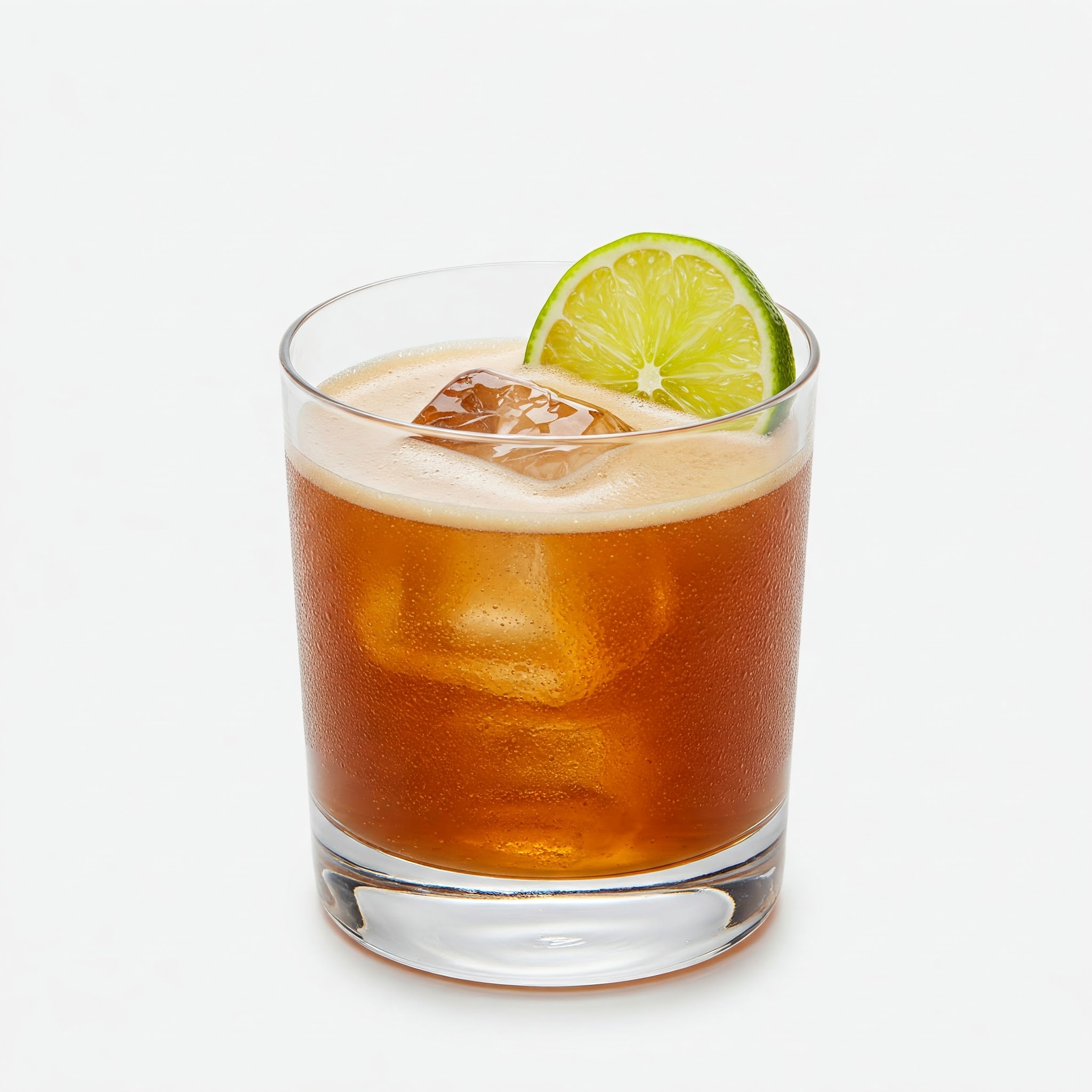
Created by bartender Dante Wheat in Louisville, Kentucky.

Banana Daiquiri
Indulge in the tropical delight of our Banana Daiquiri! This refreshing cocktail blends the smooth flavor of ripe bananas with premium rum, zesty lime juice, and a hint of sweet simple syrup. Served over ice or blended to perfection, it's garnished with a banana slice for an added touch of paradise. Perfect for warm days and beach vibes, the Banana Daiquiri is a deliciously fruity escape that will transport you to your favorite tropical getaway.
Caipirinha
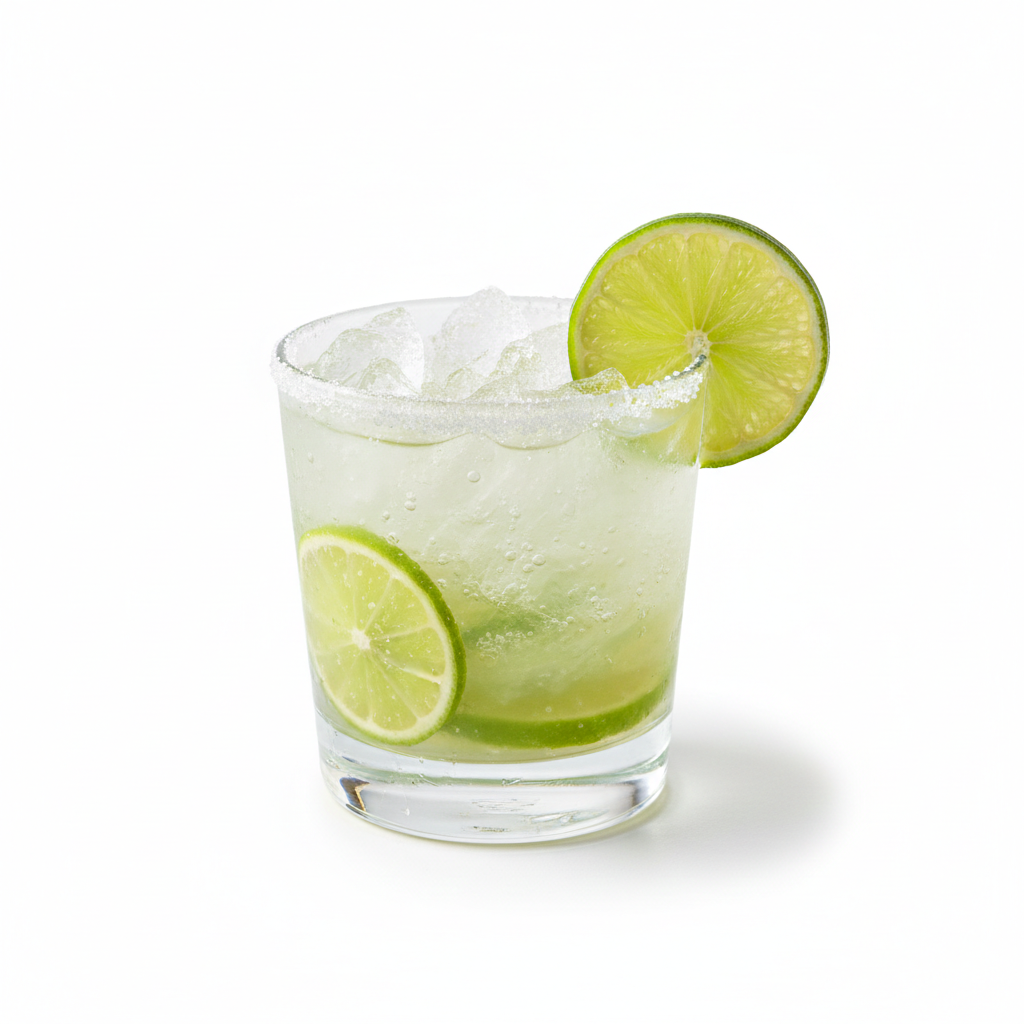
Brazil's national cocktail. Cachaça with muddled lime and sugar, rustic and refreshing.

Cuba Libre
The Cuba Libre, meaning 'Free Cuba' in Spanish, is a classic cocktail that dates back to the early 20th century, around the time of the Cuban War of Independence. It is believed to have originated when American soldiers stationed in Cuba began mixing rum with cola and lime, as a way to celebrate Cuba's liberation from Spanish rule. While there are competing stories about its exact origin, the combination of rum, cola, and lime became iconic and a staple in bars across the world, symbolizing both freedom and refreshment.

Daiquiri
The Daiquiri is a classic cocktail that embodies the vibrant spirit of the Caribbean. Traditionally made with just three main ingredients—light rum, fresh lime juice, and sugar—this refreshing drink is known for its perfect balance of sweetness and tartness. Served either shaken or blended with ice, the Daiquiri is often garnished with a lime wheel or wedge, making it a visually appealing choice for any occasion. Its smooth, icy texture and zesty flavor make it a favorite for summer gatherings and tropical-themed parties.

Dark 'n' Stormy
Dark 'n' Stormy is a classic cocktail that embodies the spirit of the tropics with its refreshing blend of dark rum and spicy ginger beer. This iconic drink is known for its striking appearance, featuring a deep amber hue topped with a frothy ginger beer foam. Traditionally garnished with a lime wedge, the Dark 'n' Stormy offers a delightful balance of sweet, rich rum and zesty, effervescent ginger, making it a perfect companion for warm weather and seaside settings. Crafted with premium ingredients, it’s a go-to choice for those seeking a flavorful escape.
El Presidente
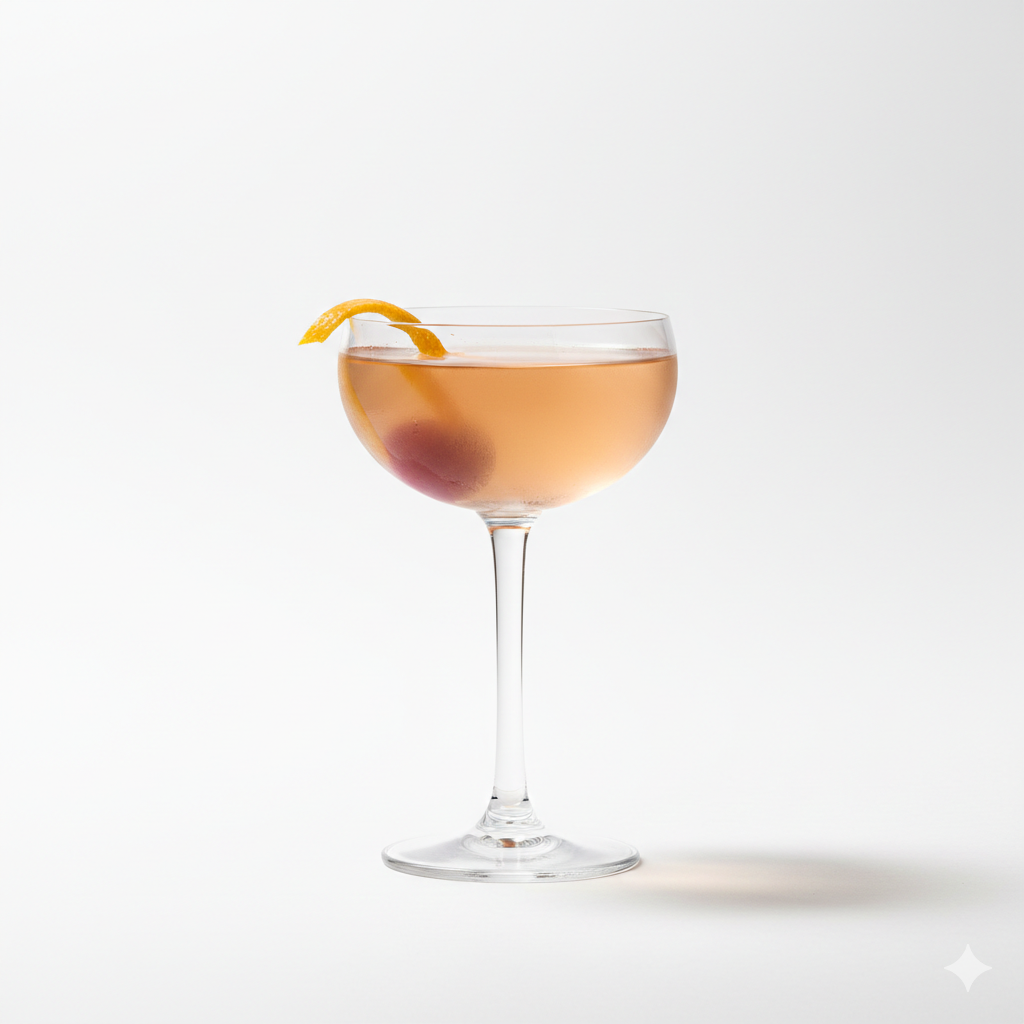
A Cuban classic from the 1920s. Elegant rum with dry vermouth and a touch of curaçao.

Espresso Martini
The Espresso Martini is a cocktail that was created in the 1980s by bartender Dick Bradsell at the Soho Brasserie in London. The story goes that a customer asked for a drink that would both wake her up and also get her drunk, leading to the creation of this now-iconic coffee-based cocktail. Originally named the ‘Vodka Espresso,’ it gained immense popularity in the 1990s and remains a favorite in bars worldwide. The drink has evolved, with various interpretations and twists added over the years, but the classic recipe typically includes vodka, espresso, coffee liqueur, and a bit of sugar syrup.
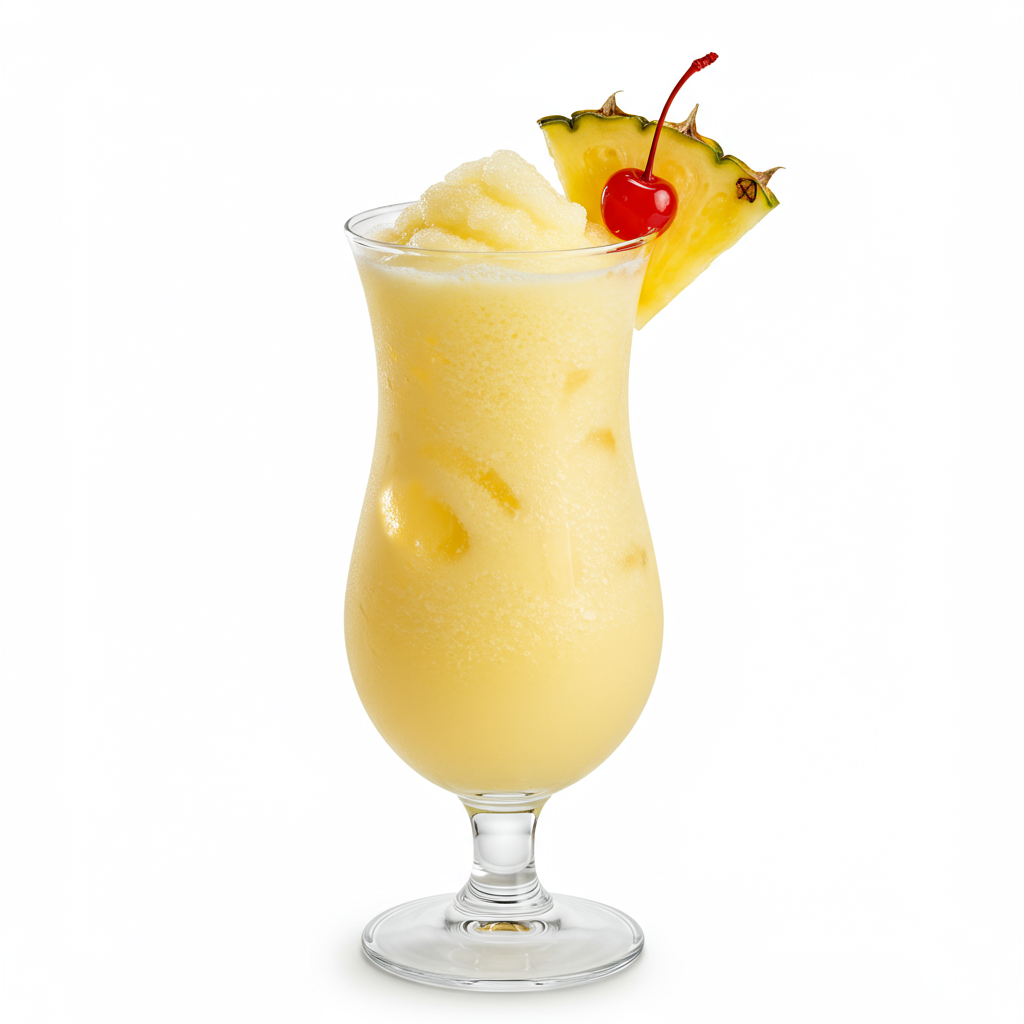
Frozen Pina Colada
The Piña Colada originated in Puerto Rico during the mid-20th century, with its official national drink designation in 1978. Its history is somewhat debated, with some claiming that a variation was created in the 19th century by a pirate named Roberto Cofresi to invigorate his crew. The modern version was popularized in 1954 at the Caribe Hilton in San Juan, where bartender Ramón “Monchito” Marrero developed the first blended Piña Colada, incorporating rum, coconut cream, and pineapple juice. Over the years, frozen variations gained popularity due to their refreshing appeal, especially in tropical locations.

Hemingway Daiquiri
Also called Papa Doble. A drier, more citrus-forward daiquiri with grapefruit and maraschino.

Jungle Bird
According to the first published recipe of this drink in "The New American Bartender's Guide" by John J. Poister (1989) the Jungle Bird was created at the Aviary bar in Kuala Lumpor in 1978.
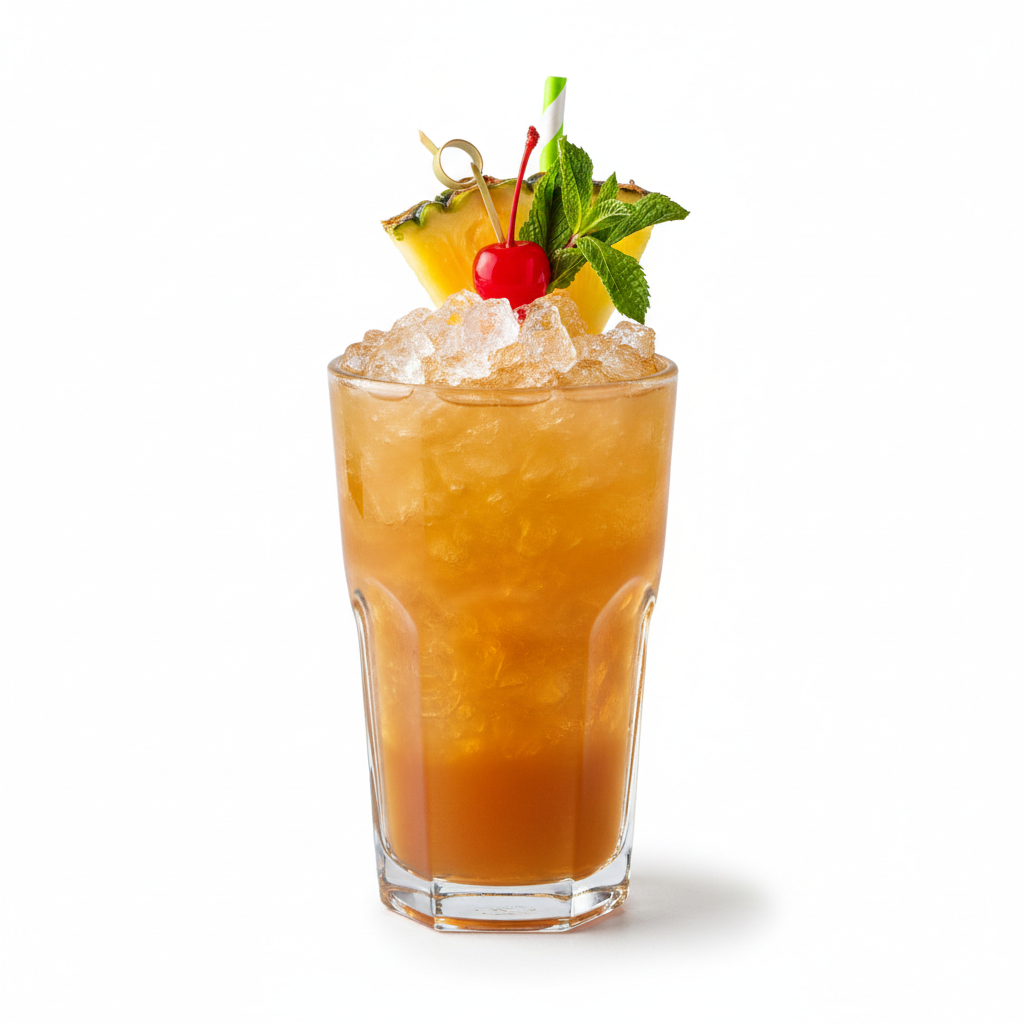
Mai Tai
The Mai Tai is one of the most famous Tiki drinks in the world. Composed of rum, orange curaçao, fresh lime juice and orgeat (a nuanced almond syrup), it’s held sway over cocktail enthusiasts and Tiki aficionados for decades.

Mary Pickford
Named after the silent film star. A sweet, fruity rum cocktail from 1920s Havana.

Mojito
A refreshing Cuban highball with muddled mint, lime, and rum. Light and perfect for warm weather.

Piña Colada
A tropical blended cocktail with rum, coconut cream, and pineapple juice. Sweet, creamy, and iconic.

Planter's Punch
Planter's Punch is a classic cocktail that has its origins in the Caribbean, particularly Jamaica, during the 19th century. The drink was originally made by rum punch using a mix of fruit juices and sugar, often customized to the drinker's preference. Its name is believed to be derived from the term 'planters,' referring to the sugarcane plantation owners in the region. The cocktail gained popularity as it was enjoyed by tourists and locals alike and eventually made its way into American bars and restaurants during the rum craze of the 1930s. Since then, it has become a staple in tropical-themed bars and is often associated with laid-back beach vacations. It is a Caribbean classic following the old rhyme: one sour, two sweet, three strong, four weak.

Ti' Punch
The quintessential Martinique cocktail. Rhum agricole with a coin of lime and cane sugar, served neat.

Zombie
The Zombie cocktail is a classic tiki drink that dates back to the 1930s. It is said to have been created by Donn Beach (Don the Beachcomber) in his tiki bar in Hollywood, California. The drink gained popularity as rum became more accessible, and the tiki culture blossomed in the mid-20th century. Named for its purported ability to leave drinkers in a zombie-like stupor, the Zombie is a potent combination of various rums and fruit juices, often served garnished with fruit and sometimes flames. The recipe can vary widely, but it typically features a mix of white rum, dark rum, apricot brandy, and a range of fruit juices such as lime and pineapple.
Rum Spirit Guide
History
Rum's story begins with sugarcane, which was brought to the Caribbean by Christopher Columbus on his second voyage in 1493. By the early 1600s, enslaved workers on sugar plantations discovered that molasses — a byproduct of sugar refining — could be fermented and distilled into a potent spirit. The first recorded mention of "rumbullion" appeared in Barbados around 1650.
Rum quickly became the economic engine of the colonial Caribbean and a key commodity in the triangular trade. It was the daily ration of the British Royal Navy from the 17th century until 1970, when the tradition was finally discontinued. In colonial America, rum was more popular than whiskey, and New England rum distilleries were among the most profitable enterprises in the colonies.
The 20th century saw rum evolve from a rough, utilitarian spirit into a diverse and sophisticated category. Cuban-style light rum fueled the cocktail culture of Havana in the 1920s and 30s, giving birth to the Daiquiri and the Mojito. Today, rum is experiencing a golden age, with premium aged expressions, single-estate bottlings, and agricultural rums from Martinique and Guadeloupe earning recognition alongside the finest spirits in the world.
How It's Made
Rum is made from sugarcane in one of two forms: molasses (the thick, dark syrup left after sugar crystals are extracted) or fresh-pressed sugarcane juice. The vast majority of the world's rum is molasses-based, while rhum agricole from the French Caribbean uses fresh cane juice, producing a grassier, more vegetal spirit.
The fermentation process varies widely — some producers use fast-acting commercial yeasts for a clean, neutral fermentation, while others rely on wild yeasts or proprietary strains that develop complex esters and flavors over longer fermentation periods. Jamaican pot-still rums, for example, are famous for their intensely funky, ester-rich character.
Distillation takes place in column stills (for lighter rums), pot stills (for heavier, more flavorful rums), or a combination of both. After distillation, white rum may be filtered and bottled immediately, while aged rums spend time in oak barrels — often used bourbon barrels — where the tropical climate accelerates maturation. A rum aged five years in the Caribbean may develop the complexity of a spirit aged twice as long in a cooler climate.
Fun Fact
The British Royal Navy issued a daily rum ration to every sailor from the 1650s until July 31, 1970 — a day known in naval history as "Black Tot Day." Officers wore black armbands, and some sailors held mock funerals for the tradition. The last barrels of official Navy rum were sealed and stored, and bottles from that final batch now sell for thousands of pounds at auction.