
Gin
Gin Cocktails
23 recipes
Showing 23 of 23 recipes

Aviation
The Aviation cocktail is a classic drink that dates back to the early 20th century. It was first published in Hugo Ensslin's bartender guide in 1916. The cocktail became popular in the Prohibition era due to its floral and refreshing taste, often enjoyed in speakeasies. The original recipe typically included gin, maraschino liqueur, crème de violette, and lemon juice. The drink's unique combination of flavors represents a significant moment in cocktail history, blending the herbal notes of gin with the delicate floral aspects of crème de violette, which has contributed to its resurgence in modern cocktail culture.

Bee's Knees
The Bee's Knees cocktail emerged during the Prohibition era in the United States (1920-1933), a time when the production and sale of alcoholic beverages were banned. To mask the taste of poorly made spirits, bartenders often used sweeteners and flavors. The Bee's Knees was created as a refreshing drink that combined gin with honey and lemon juice, making it a popular choice among both casual drinkers and speakeasy patrons. The term 'bee's knees' itself is an old slang phrase meaning excellent or the best, implying that this cocktail was considered one of the top drinks of the time.

Bijou
The Bijou cocktail was created in the late 19th century, with its earliest known recipe appearing in the 1896 book "The Bartender's Guide" by Jerry Thomas, known as the father of American mixology. The name 'Bijou' is French for 'jewel,' reflecting the three primary ingredients' colors that resemble precious stones: gin (diamond), sweet vermouth (ruby), and green Chartreuse (emerald). The cocktail was popular during the Gilded Age and has seen a resurgence in craft cocktail culture, appreciated for its complex flavor profile and elegant presentation.

Bramble
The Bramble cocktail was created in the 1980s by renowned bartender Dick Bradsell at the Fred's Club in London. It was inspired by classic gin cocktails and featured fresh blackberries, which evoke the flavors of the British countryside. The Bramble quickly gained popularity for its refreshing taste and has become a staple in cocktail bars worldwide. Its combination of gin, lemon juice, sugar syrup, and blackberry liqueur captures both a sense of nostalgia and modern cocktail innovation.

Casino
A classic from the Old Waldorf bar. Bright, tart, and subtly sweet from maraschino.

Clover Club
A pre-Prohibition gin sour with raspberry syrup and egg white. Silky, tart, and a beautiful pink color.

Corpse Reviver No. 2
A hair-of-the-dog classic from the Savoy. Equal parts gin, Cointreau, Lillet Blanc, and lemon with an absinthe rinse.

French 75
An elegant sparkling cocktail combining gin and lemon with champagne. Effervescent and celebratory.

Gimlet
A crisp, refreshing gin cocktail with lime. Simple and elegant, served up in a coupe.

Gin Fizz
A light, effervescent gin sour topped with soda water. Bright, citrusy, and refreshing.

Gin Rickey
A riff of the original Rickey, the Gin Rickey is a light, tart, and refreshing cocktail with lime juice, gin, and soda water.

Hanky Panky
Created by Ada Coleman at the Savoy in 1903. Gin and sweet vermouth with a distinctive Fernet edge.

Last Word
A Prohibition-era equal-parts cocktail with gin, green Chartreuse, maraschino liqueur, and lime. Herbal and complex.

Martinez
Considered the grandfather of the Martini. A rich, sweet, and complex gin cocktail from the 1880s.

Martini
Martini is a classic cocktail known for its elegance and simplicity, typically made with gin and dry vermouth, garnished with an olive or a lemon twist. This iconic drink, served in a distinctive V-shaped glass, embodies sophistication and has become a staple in bars worldwide. The Martini's perfectly balanced flavors make it a favorite choice for connoisseurs and casual drinkers alike, capturing the essence of timeless mixology.

Negroni
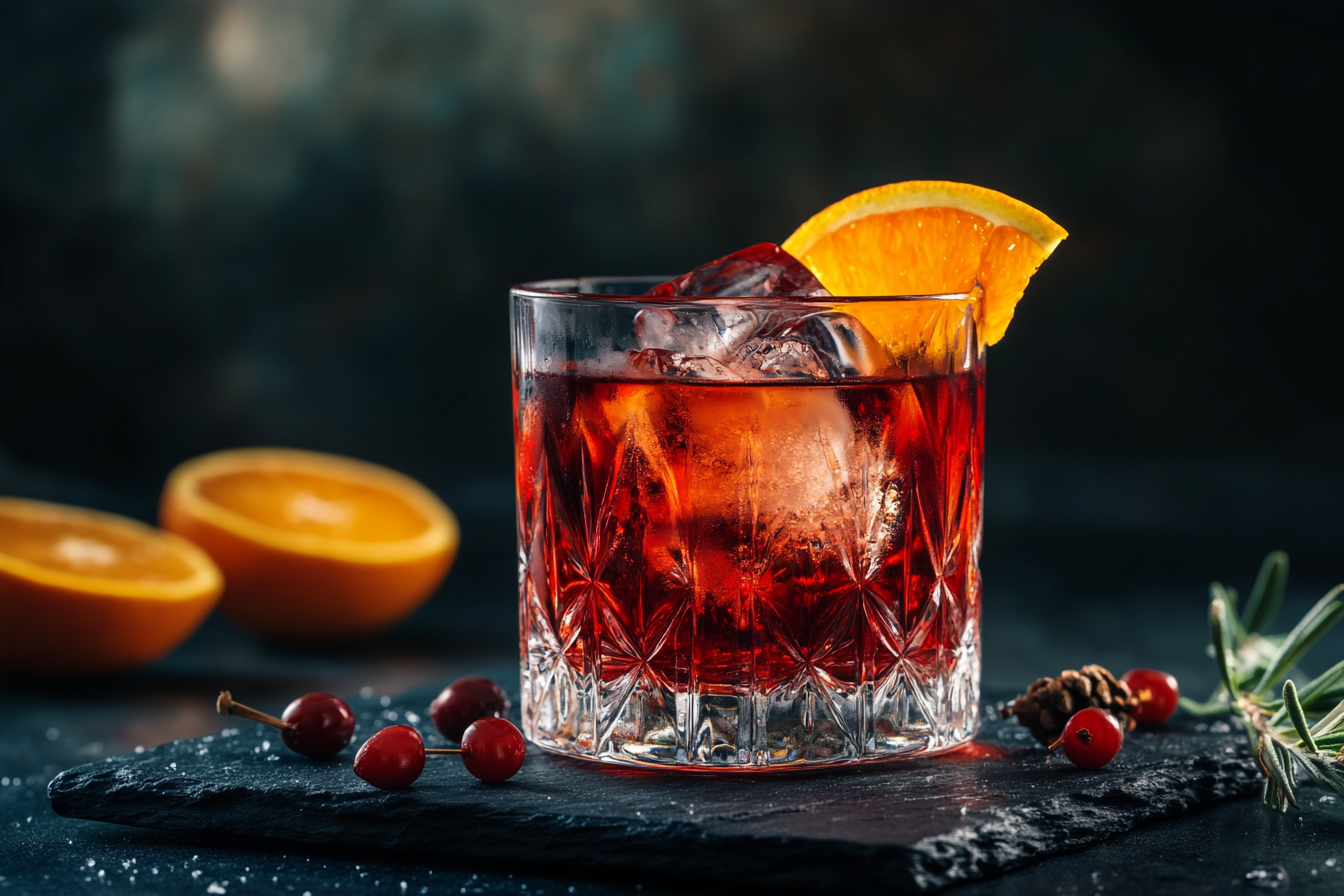
Equal parts gin, sweet vermouth, and Campari. A bitter, complex aperitivo served over ice with an orange peel.

Pink Gin
Pink Gin is a classic cocktail that dates back to the early 19th century, originally popular among the Royal Navy officers in the Caribbean. It was created by mixing gin with a few dashes of aromatic bitters, specifically Angostura bitters, which gives the drink its characteristic pink hue. The cocktail gained widespread popularity in the centuries that followed, especially in the UK. The flavor profile of Pink Gin is primarily dry and herbal due to the gin base, which typically features juniper as the dominant botanical. The addition of bitters introduces complex flavors that can include hints of spice, clove, and a slight sweetness, although the overall drink remains predominantly dry. The balance between the herbal notes and the bitters creates a crisp, refreshing cocktail, making it a favorite for those who enjoy spirit-forward drinks.

Ramos Gin Fizz
A classic cocktail that combines gin, citrus, cream, and egg white for a frothy and refreshing drink.

Singapore Sling
The Singapore Sling was purportedly invented by a bartender named Ngiam Tong Boon at the Raffels Hotel in 1915. The inspiration for the cocktail came to him when he observed that while the men at his bar chose to drink Gin or Whiskey, the ladies were conf

Southside
A gin mojito from Prohibition-era Chicago. Bright, minty, and refreshing, served up.

Spruce Goose
The Spruce Goose cocktail is a vintage drink that dates back to the mid-20th century, inspired by the Hughes H-4 Hercules, famously known as the Spruce Goose. The cocktail gained prominence as a popular tiki drink, celebrating the post-war Hawaiian and Polynesian cultural boom in the United States. The drink often features rum as its base spirit, paired with flavors like citrus—often lime or orange juice—along with sweet ingredients such as orgeat syrup or pineapple juice, which contribute to its tropical flair.\n\nIn terms of flavor profile, the Spruce Goose cocktail generally has a balance of sweetness from fruit juices and syrups while retaining a tartness from citrus, resulting in a refreshing and vibrant drink. The overall sweetness can vary based on the specific recipe, but it usually leans toward the sweeter side, ideal for warm weather. The cocktail is often garnished with fresh fruit or mint, enhancing both its appearance and aromatic qualities.

Tom Collins
The Tom Collins is a classic cocktail known for its refreshing and zesty flavor profile. This timeless drink is made with gin, fresh lemon juice, sugar, and carbonated water, served over ice in a tall glass. It garners a sparkling finish from the soda, making it the perfect thirst-quencher on warm days. The Tom Collins is not only a staple in the world of cocktails but also embodies the spirit of socializing, enjoyed by mixologists and cocktail enthusiasts alike. With its perfectly balanced taste of sweet and sour, this cocktail is a must-try for anyone who appreciates vibrant, refreshing drinks.

Vesper
James Bond's martini from Casino Royale. A potent blend of gin, vodka, and Lillet Blanc, shaken ice cold.
Gin Spirit Guide
History
Gin traces its roots to jenever, a juniper-flavored malt spirit produced in the Low Countries as early as the 16th century. Dutch soldiers drank it for courage before battle — a practice English soldiers observed during the Thirty Years War, giving rise to the phrase "Dutch courage." When William of Orange took the English throne in 1689, he brought a taste for jenever with him, and gin production in England exploded.
The early 18th century saw the infamous Gin Craze in London, when cheap, unregulated gin flooded the city and became a public health crisis. Parliament passed a series of Gin Acts to curb consumption, and over time the spirit evolved from a rough, sweetened drink into the refined, dry style that defines London Dry gin today.
The 19th century cemented gin as the backbone of cocktail culture. British colonials mixed it with quinine tonic to ward off malaria, giving birth to the gin and tonic. The Martini, the Negroni, and countless other classics followed. After decades of playing second fiddle to vodka, gin has experienced a remarkable global renaissance since the early 2010s, with hundreds of craft distilleries pushing the boundaries of botanical creativity.
How It's Made
Gin starts with a neutral base spirit, typically distilled from grain, though some producers use grape or other bases. The defining step is redistillation or infusion with botanicals, and juniper berries must be the dominant flavor for a spirit to be legally classified as gin.
In the London Dry method — considered the gold standard — the neutral spirit is redistilled in a copper pot still with a selection of dried botanicals placed in the still or in a basket above it. As alcohol vapors pass through the botanicals, they extract essential oils and flavors. No artificial flavors or sweeteners may be added after distillation.
Other methods include compound gin, where botanicals are simply steeped in the base spirit without redistillation, and vacuum distillation, which operates at lower temperatures to preserve delicate aromatic compounds. The choice of botanicals beyond juniper — coriander, angelica root, citrus peel, orris root, cardamom, and dozens more — is what gives each gin its unique fingerprint.
Fun Fact
During the London Gin Craze of the 1730s, the average Londoner was consuming over 10 liters of gin per year. The crisis became so severe that Parliament passed five major legislative acts between 1729 and 1751 to curb gin consumption and regulate its production.