
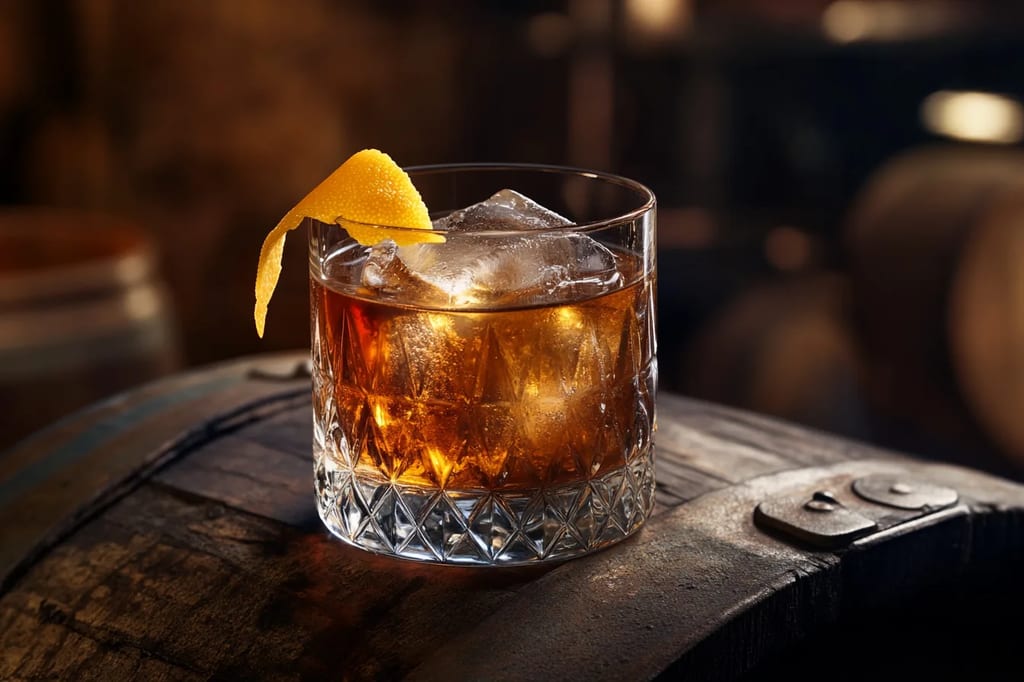
Whiskey
Whiskey Spirit Guide
History
The origins of whiskey trace back to medieval monasteries in Ireland and Scotland, where monks distilled grain mash into a fiery spirit they called "uisce beatha" — the water of life. By the 15th century, distillation had spread beyond the monasteries and into the hands of farmers and merchants across the British Isles.
As Scots and Irish immigrants settled in North America during the 18th and 19th centuries, they brought their distilling traditions with them. The abundance of corn in Kentucky and rye in Pennsylvania gave rise to distinctly American styles — bourbon and rye whiskey — that would eventually become global icons.
The 20th century brought both devastation and reinvention. Prohibition nearly destroyed the American whiskey industry, while global wars disrupted Scotch production. Yet whiskey endured, and the late 20th and early 21st centuries ushered in a remarkable renaissance, with craft distilleries emerging worldwide and Japanese whisky earning international acclaim.
How It's Made
All whiskey begins with a grain bill — a recipe of cereal grains such as barley, corn, rye, or wheat. The grains are milled and combined with hot water in a process called mashing, which converts starches into fermentable sugars. Yeast is then added to the resulting liquid, known as the wash or wort, and fermentation produces a low-alcohol beer-like liquid.
This liquid is distilled, typically in copper pot stills or column stills, to concentrate the alcohol and refine the flavor. The choice of still type and the number of distillation runs vary by tradition and style, with pot stills favoring richer, heavier spirits and column stills producing lighter, cleaner profiles.
The distillate is then placed into wooden casks — most commonly charred American oak — for aging. Time in the barrel is where whiskey develops its color, complexity, and character. During maturation, the spirit expands and contracts with seasonal temperature changes, drawing flavor compounds from the wood. The length of aging, the type of barrel, and the warehouse conditions all contribute to the final product.
Fun Fact
The word "whiskey" comes from the Gaelic "uisce beatha," meaning "water of life." The spelling varies by region — "whiskey" with an "e" is used in Ireland and the United States, while "whisky" without the "e" is the convention in Scotland, Canada, and Japan.
Now Make One
16 recipes to try
.jpeg-0408202554)
Manhattan
A cocktail made with whiskey, sweet vermouth, and bitters - usually stirred then strained into a cocktail glass and garnished traditionally with a maraschino cherry. A Manhattan may also be served on the rocks in a lowball glass.

Mint Julep
The iconic Kentucky Derby cocktail. Bourbon and fresh mint over crushed ice, traditionally in a silver cup.

Old Fashioned
A cocktail made by muddling sugar with bitters and water, adding whiskey or, less commonly, brandy, and garnishing with orange slice or zest and a cocktail cherry.

Amaretto Sour
A nutty, balanced sour elevated with bourbon for backbone. Silky with egg white and bright with citrus.

Blood and Sand
The Blood and Sand cocktail is a classic drink that dates back to the 1920s. Named after a famous silent film of the same name starring Rudolph Valentino, the cocktail's origins are somewhat murky, but it is often attributed to the trendy cocktail culture of the time, particularly in New York City. It gained popularity during the Prohibition era when many classic cocktails were created or reinvented. The drink is characterized by its balance of sweetness and tartness, making it a favorite among those who enjoy complex flavors. Today, Blood and Sand is regarded as a staple cocktail in vintage and craft cocktail bars.

Boulevardier
A whiskey riff on the Negroni. Bold and bittersweet with bourbon replacing gin, served over a large ice cube.