
Tequila
Tequila Cocktails
9 recipes
Showing 9 of 9 recipes

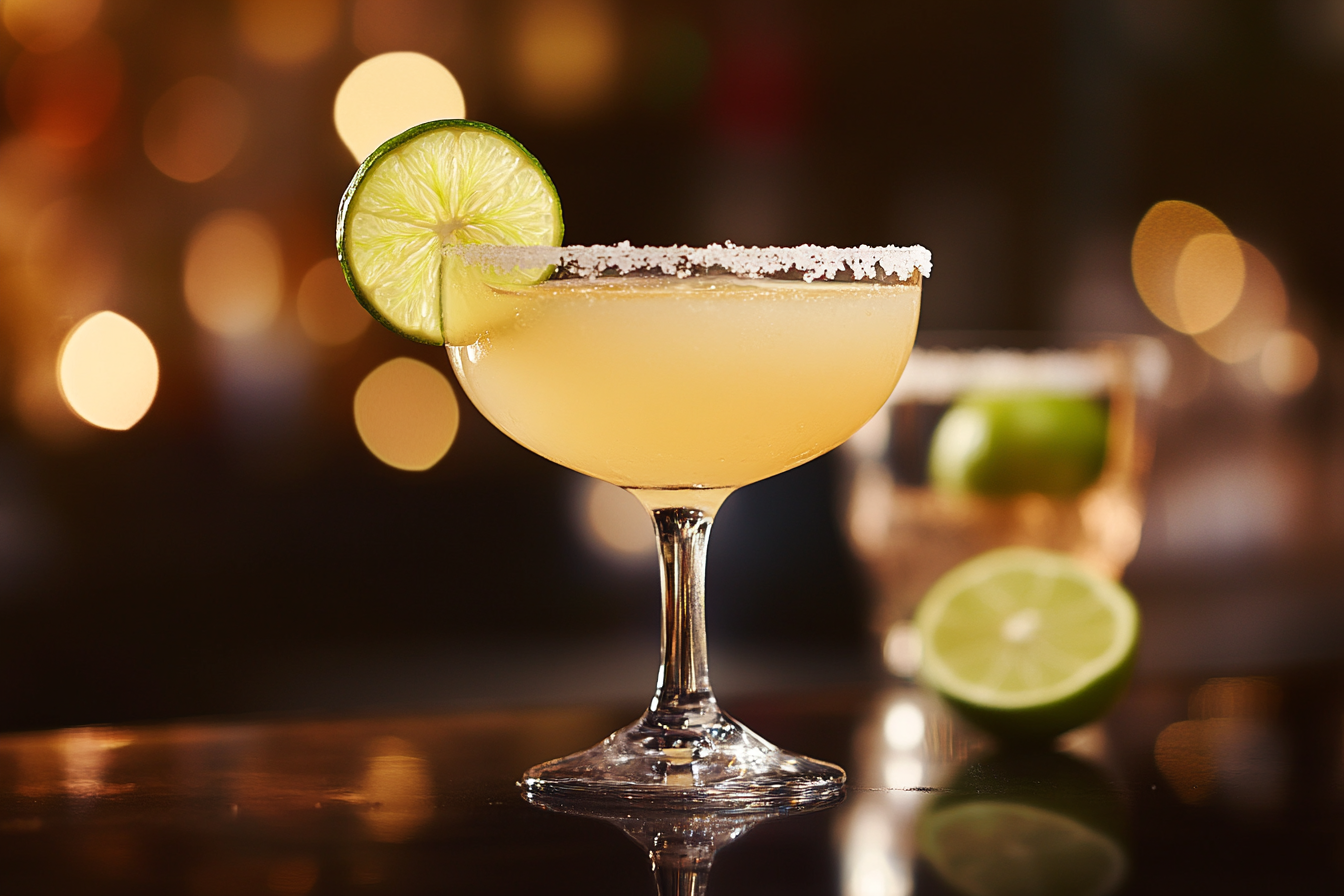
Barfly Margarita
A delicious cocktail recipe
.jpeg-0428202557)
El Diablo
El Diablo is a bold and refreshing tequila cocktail that balances sweet, tart, and spicy flavors. Made with tequila, crème de cassis (a rich blackcurrant liqueur), lime juice, and topped with ginger beer, it has a deep fruity backbone lifted by zesty lime and a lively, spicy fizz. First popularized in the 1940s, the El Diablo offers a darker, more mysterious twist on typical tequila drinks, making it a standout choice for something a little unexpected yet still easy to enjoy.
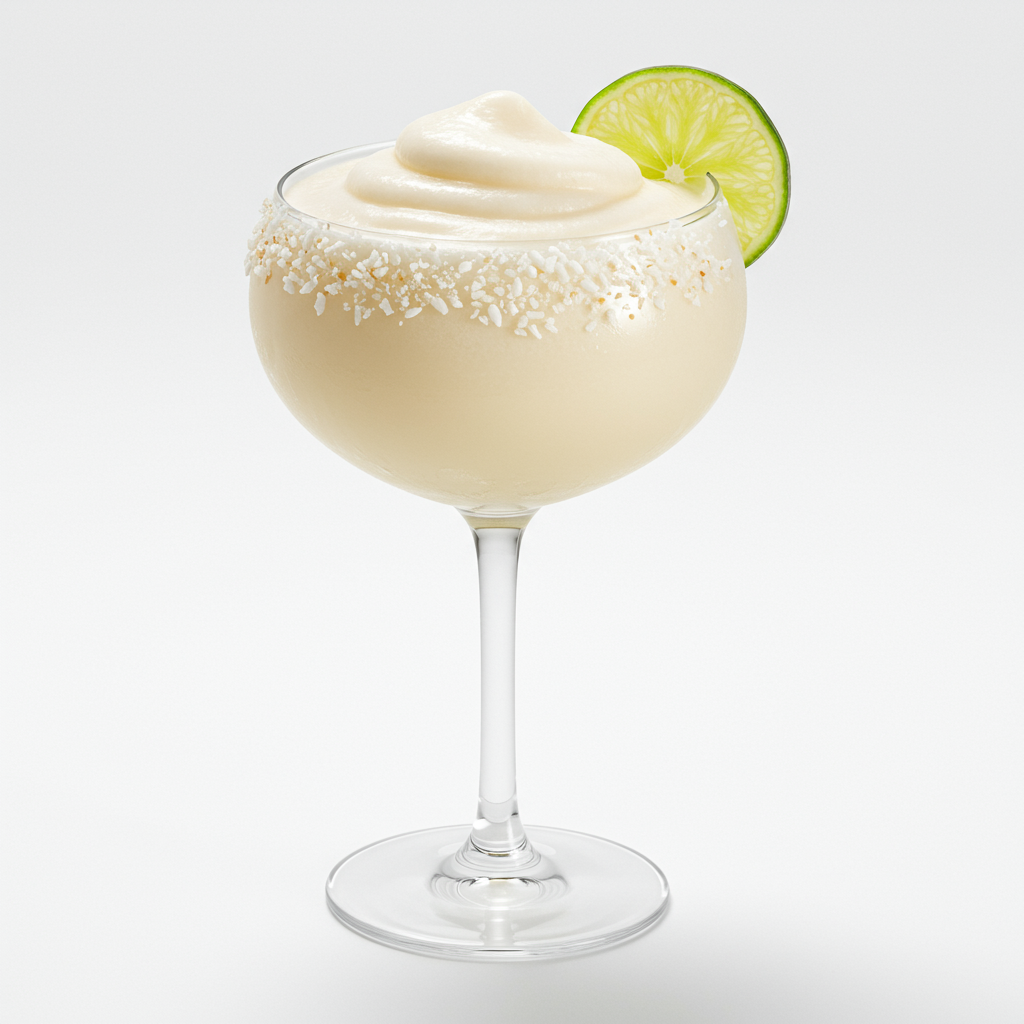
Frozen Coconut Margarita
The Frozen Coconut Margarita is a tropical twist on the classic margarita, which originated in Mexico during the late 1930s. The original margarita consists of tequila, lime juice, and Cointreau or Triple Sec, but as cocktail culture evolved and embraced frozen variations in the late 20th century, bartenders began experimenting with adding coconut cream or coconut milk. These additions create a richer, creamier cocktail that transports drinkers to a beach paradise. The Frozen Coconut Margarita gained popularity in trendy beach bars and restaurants, combining the refreshing elements of a margarita with the tropical flavors of coconut, leading to its status as a beloved summer cocktail.
.jpeg-0408202505)
Margarita
The Margarita combines the tang of lime and the sweetness of orange liqueur, essentially making it a spin-off of the Daisy - a cocktail template involving spirit, citrus, orange liqueur and soda.
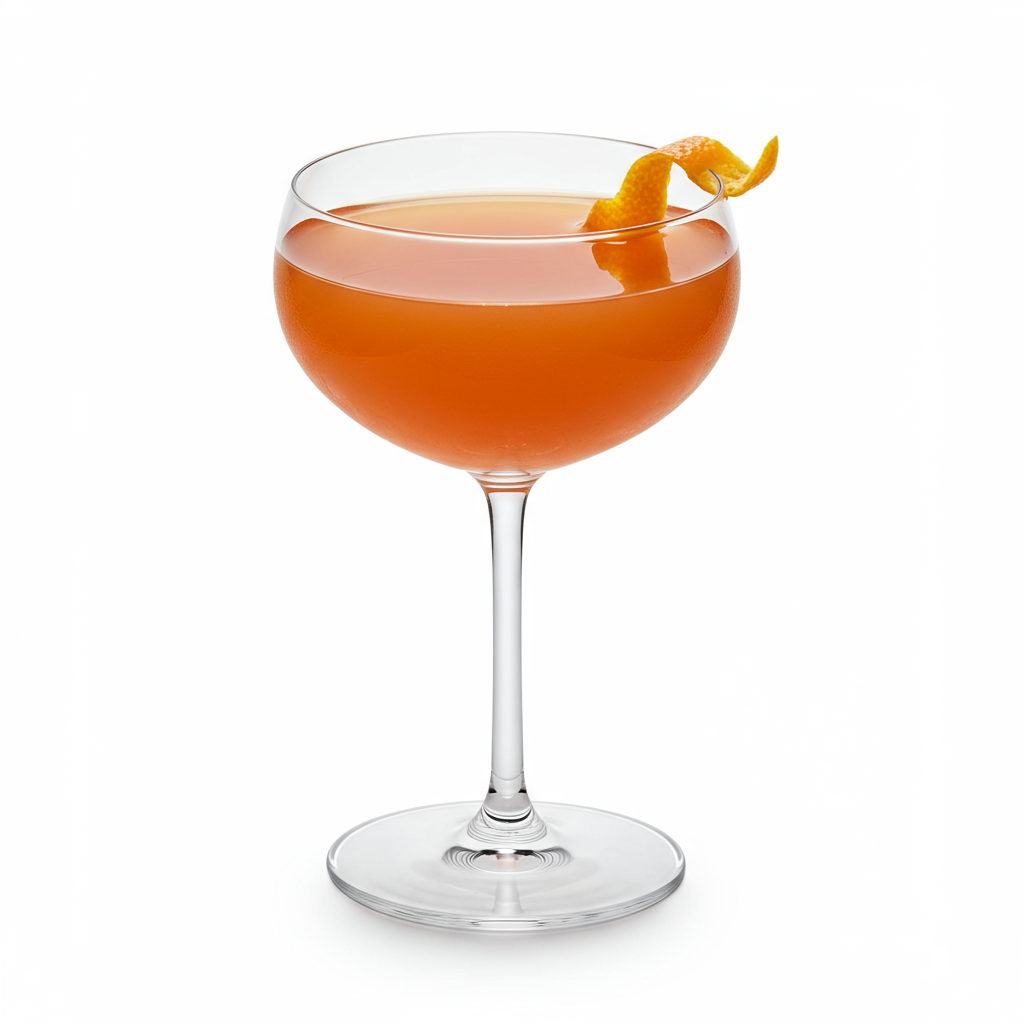
Naked and Famous
A modern equal-parts classic by Joaquín Simó. Smoky mezcal with Aperol, Chartreuse, and lime.
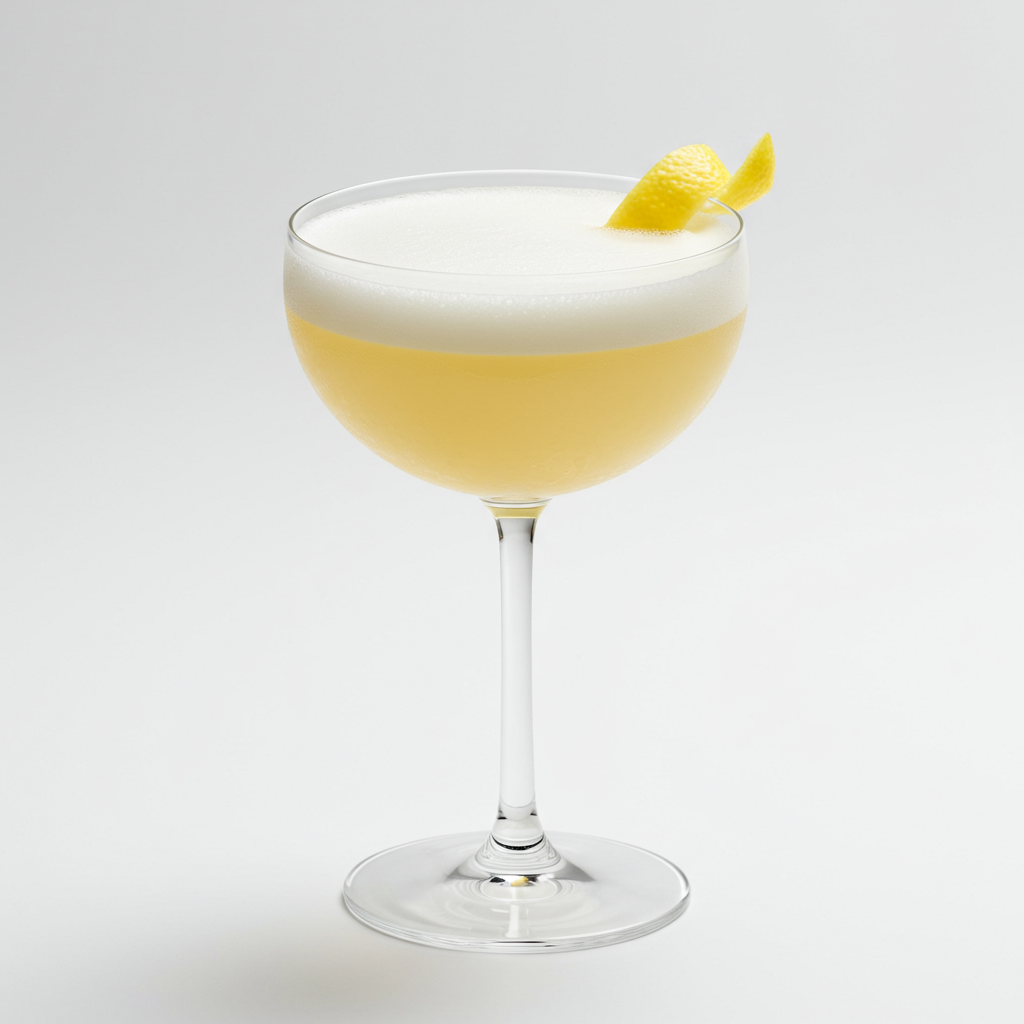
Oaxaca Old Fashioned
Phil Ward's smoky twist on the Old Fashioned. Reposado tequila and mezcal with agave and bitters.

Paloma
Paloma is a premium tequila brand renowned for its smooth taste and artisanal craftsmanship. Made from the finest blue agave, Paloma offers a vibrant and refreshing experience with citrusy notes and a hint of sweetness. Perfect for sipping neat or mixing into cocktails, this versatile spirit embodies the rich heritage of Mexican tradition while appealing to modern palates. Its elegant packaging and balanced flavor profile make Paloma an excellent choice for any occasion.
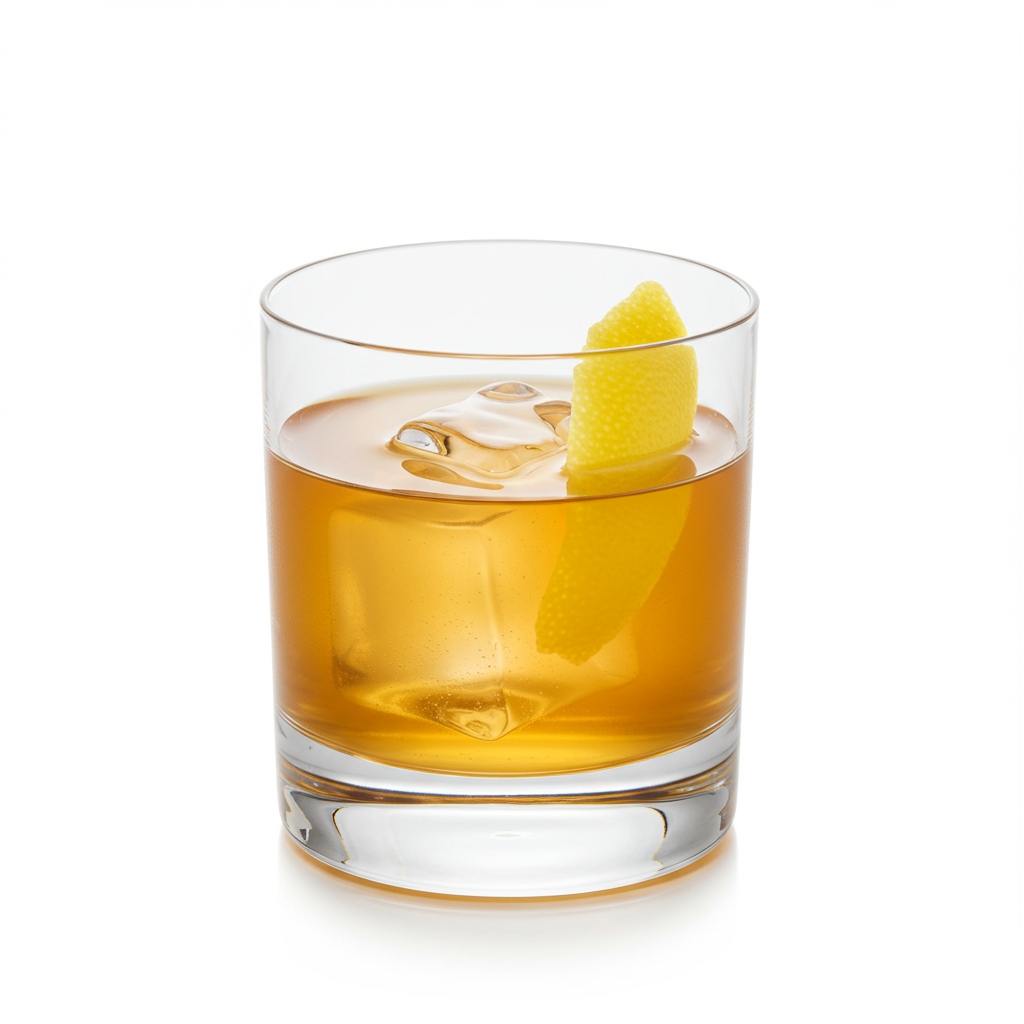
Tequila Sunrise
A colorful, fruity tequila highball with a sunrise gradient of orange and red.
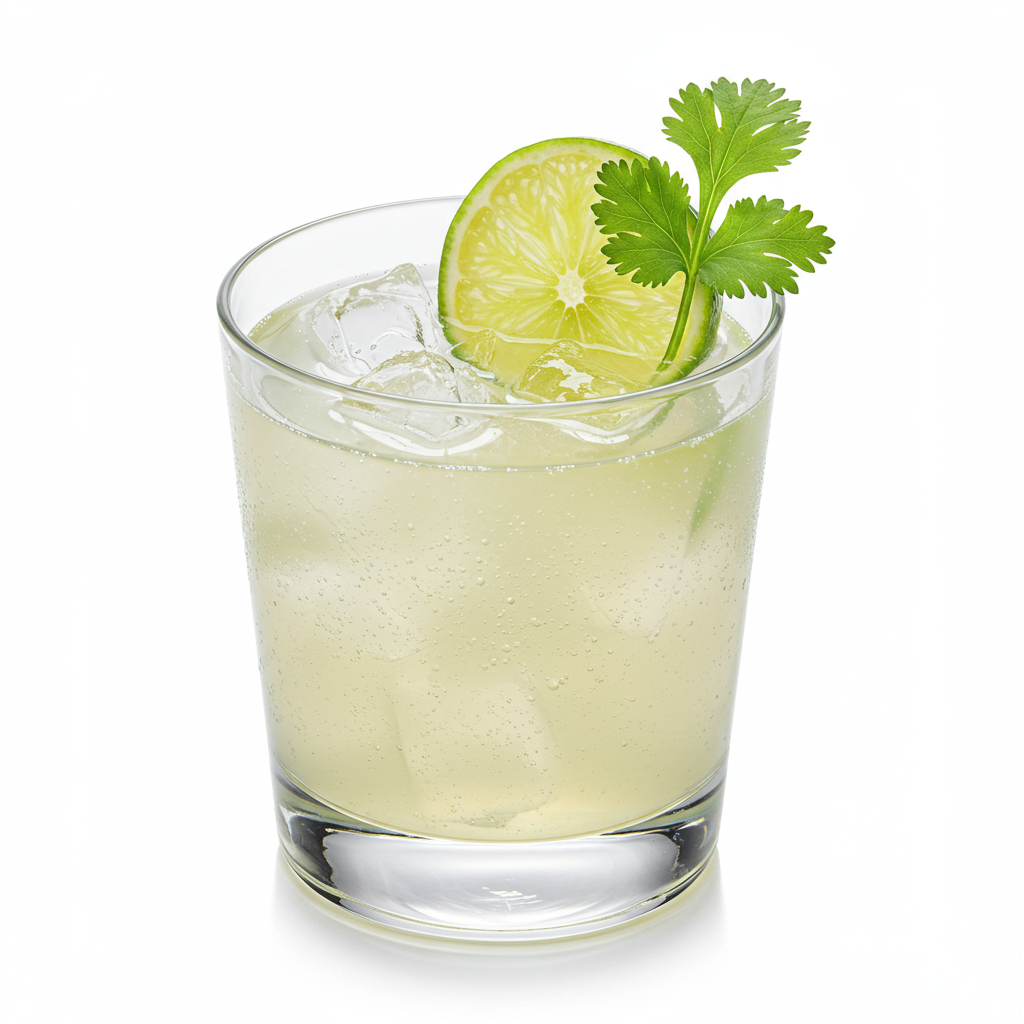
Tommy's Margarita
Julio Bermejo's simplified margarita from Tommy's Mexican Restaurant. Agave syrup replaces orange liqueur.
Tequila Spirit Guide
History
Long before Spanish conquistadors arrived, the indigenous peoples of Mexico were fermenting agave sap into a milky, mildly alcoholic drink called pulque. When the Spaniards introduced copper-pot distillation in the 16th century, locals began distilling agave to create mezcal — the broad category of agave spirits from which tequila would eventually emerge.
The town of Tequila in the state of Jalisco became the center of production, and by the late 1700s, the Cuervo and Sauza families had established the first commercial distilleries. Mexico granted tequila a denomination of origin in 1974, restricting production to specific regions — primarily Jalisco — and mandating the use of blue Weber agave.
Tequila's international popularity surged in the latter half of the 20th century, driven by the Margarita and the rise of Mexican cuisine worldwide. The early 2000s brought a premium tequila revolution, with aged expressions and single-estate bottlings earning critical acclaim. Today, tequila is one of the fastest-growing spirits categories globally, with celebrity-backed brands and artisanal producers competing for attention.
How It's Made
Tequila production begins in the agave fields, where blue Weber agave plants are cultivated for 6 to 8 years before harvest. Skilled workers called jimadores use a sharp, flat-bladed tool called a coa to strip the spiny leaves from the plant, revealing the pina — the dense, starchy heart that can weigh 40 to 90 kilograms.
The pinas are slowly roasted in traditional brick ovens (hornos) or modern autoclaves to convert their complex starches into fermentable sugars. The cooked agave is then crushed to extract the sweet juice, or aguamiel, which is fermented with yeast in large tanks for several days.
The fermented liquid is distilled twice in copper pot stills or stainless steel column stills. The resulting spirit is either bottled as blanco (unaged) or placed into oak barrels for aging. Reposado rests for two to twelve months, anejo for one to three years, and extra anejo for more than three years. The type of barrel, the aging environment, and the specific terroir of the agave fields all contribute to the final character of the tequila.
Fun Fact
A single blue Weber agave plant takes 6 to 8 years to mature before it can be harvested for tequila production. Each plant produces enough sugar for roughly 5 liters of tequila. A jimador — the skilled agave harvester — can trim up to 100 plants per day using nothing but a coa, a flat-bladed tool that has remained virtually unchanged for centuries.