
Brandy
Brandy Cocktails
6 recipes
Showing 6 of 6 recipes

Between the Sheets
The Between the Sheets cocktail has its roots in the early 20th century and is believed to have been created in the 1930s. It is a variation of the classic daiquiri and is said to have been popularized in the bars of Paris. The cocktail is known for its refreshing quality and balanced flavors, combining elements of rum, orange liqueur, and citrus juice. The name 'Between the Sheets' suggests a romantic or intimate setting, which adds to its allure as a cocktail enjoyed in social gatherings.

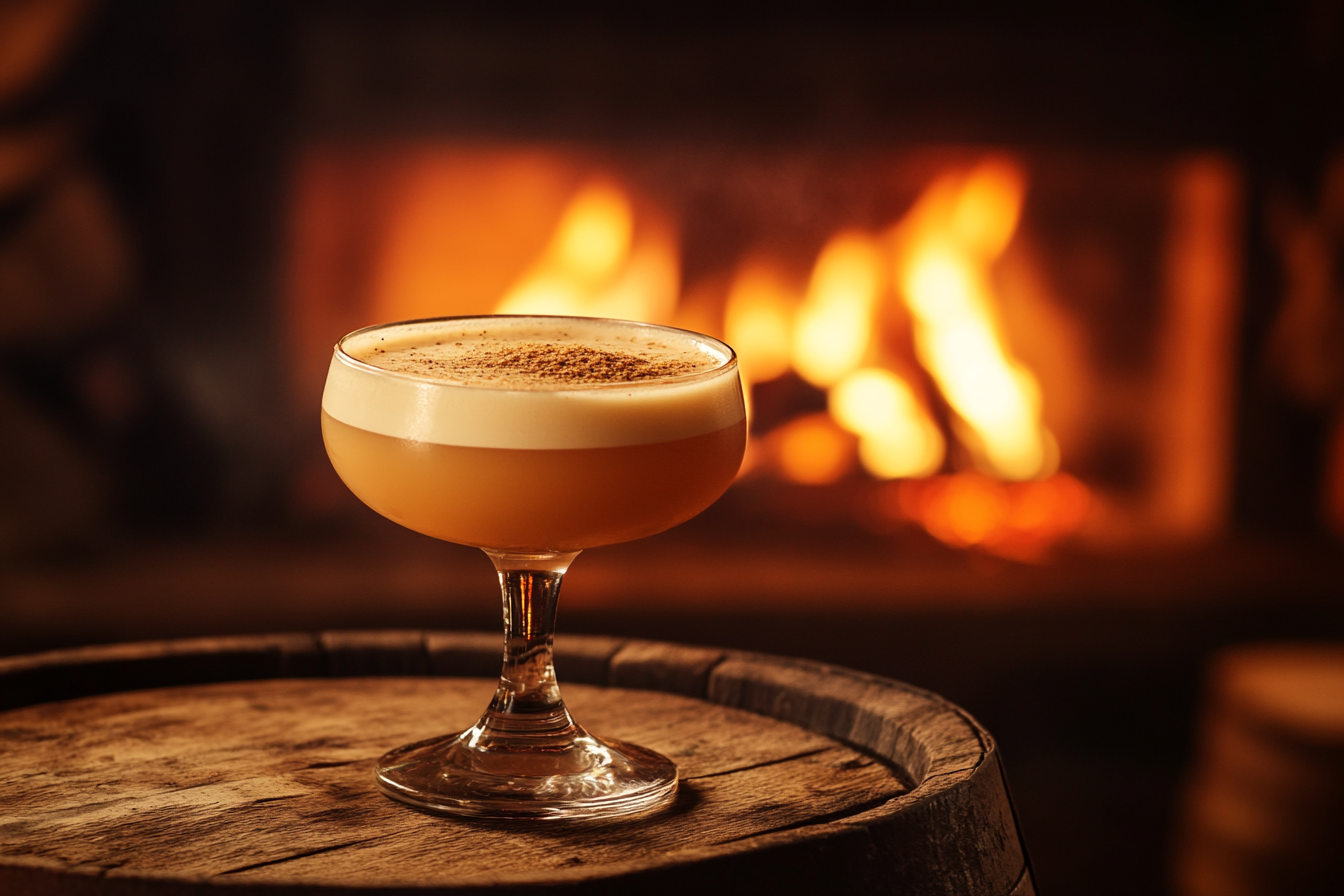
Brandy Alexander
A rich, dessert-like after-dinner classic. Cognac with chocolate liqueur and cream.

Champagne Cocktail
The original celebratory cocktail. A sugar cube soaked in bitters topped with champagne and a float of cognac.

Jack Rose
A pre-Prohibition apple brandy sour. Tart, fruity, and rosy from grenadine.

Pisco Sour
Peru's signature cocktail. A frothy, citrus-forward sour with pisco and egg white, finished with bitters.

Sidecar
The Sidecar was likely invented around World War I. Both a French and English bar claim to have invented the cocktail for a customer who arrived at the location in the sidecar of a motorcycle.
Brandy Spirit Guide
History
Brandy's origins lie in the medieval wine trade. Dutch merchants in the 16th century began distilling wine to preserve it for long sea voyages — they called the result "brandewijn" (burnt wine), which was eventually shortened to brandy. What began as a practical preservation method soon became an art form in its own right.
The Cognac region of France emerged as the epicenter of brandy production by the 17th century. Its unique terroir — chalky soils, maritime climate, and Ugni Blanc grapes — proved ideal for producing distillates that blossomed with extended barrel aging. The great Cognac houses like Hennessy, Remy Martin, and Courvoisier were established during the 18th and 19th centuries, selling their spirits to aristocrats and royalty across Europe.
Beyond France, brandy traditions developed around the world. Spanish brandy de Jerez, aged using the solera system in sherry casks, became enormously popular. South American pisco developed its own identity in Peru and Chile. Armenian brandy impressed even Winston Churchill, who reportedly received an annual shipment of Dvin brandy from Stalin. Today, brandy encompasses an extraordinarily diverse range of styles, from delicate eau-de-vie to robust grape brandies and fruit brandies.
How It's Made
Brandy begins as wine. The base wine is typically made from high-acid, low-alcohol grape varieties — Ugni Blanc is the standard in Cognac, while Airen and Palomino are common in Spain. The wine is intentionally thin and sharp, as it is destined for distillation rather than drinking.
Cognac and many traditional brandies are distilled twice in small copper pot stills called alembics. The distiller carefully separates the heads, hearts, and tails of each distillation run, keeping only the purest middle portion. Armagnac, by contrast, traditionally uses a single continuous distillation in a column alembic, producing a more robust and characterful spirit.
Aging is where brandy truly comes into its own. The clear distillate is placed into oak barrels — Limousin and Troncais oak are prized in Cognac — where it slowly develops color, complexity, and roundness over years or decades. Brandy is classified by age: VS (Very Special, minimum 2 years), VSOP (Very Superior Old Pale, minimum 4 years), and XO (Extra Old, minimum 10 years in Cognac). Master blenders at the great houses maintain consistency by marrying spirits of different ages and vineyard origins.
Fun Fact
Cognac warehouses lose an estimated 2% of their aging stock to evaporation each year — a phenomenon poetically known as "the angel's share." This amounts to roughly 22 million bottles of Cognac vanishing into the air annually. The evaporating alcohol feeds a black fungus called Baudoinia compniacensis that covers the walls and roofs of buildings near the aging cellars, making Cognac warehouses instantly recognizable.